
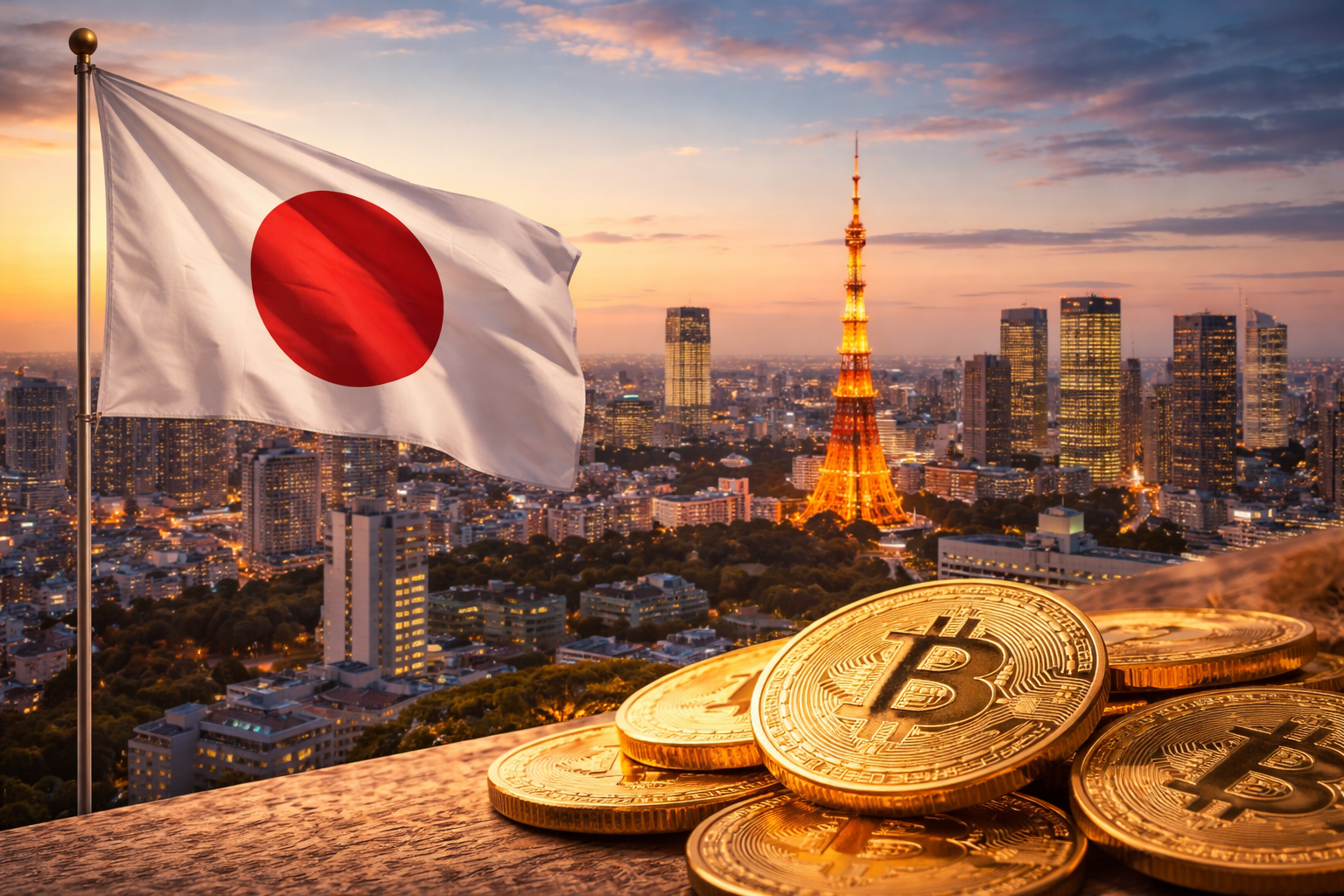

- Cryptocurrencies now fall under Japanese financial regulations.
- Strict insider trading and disclosure rules will apply.
- Lower taxes can increase the participation of investors and corporations.
Japan has taken a big step in reforming the way it deals with cryptocurrencies.
A new bill approved by the government it moves cryptocurrencies into the financial category, placing them next to traditional commodities such as stocks and bonds.
After the approval, Japan now no longer sees crypto as a means of payment, but as part of its financial system.
The change is expected to have a significant impact on exchanges, investors, and crypto companies operating in Japan.
Transition from payment instruments to financial instruments
For many years, cryptocurrencies in Japan have been seen mainly as a form of payment under the regulatory system. That approach is now being replaced by a formal system based on the rules of the financial market.
Under the new bill, cryptocurrencies will fall under the Financial Instruments and Exchange Act.
This is what is used in traditional security management. In simple terms, crypto is being pulled into the same category as financial products that are managed like money.
The change is not just about classification. It also changes how the market is expected to behave.
Cryptocurrency exchange platforms and providers will now be required to adhere to stricter rules regarding transparency, reporting, and operating practices.
The goal is to enable the crypto market to operate with the same level of structure and accountability seen in traditional financial markets.
Investor’s power protection is market regulation
One of the most important components of the new framework is the introduction of stricter rules on market fairness.
The bill introduces restrictions similar to those seen in stock markets, including strict restrictions on insider trading in crypto markets.
This means that people who have access to information about tokens or projects will not be allowed to use this information for commercial gain, which will significantly reduce fraud and unfair practices in this sector.
Additionally, crypto companies and exchanges will face disclosure challenges. They are expected to provide regular and detailed information about their activities and activities related to the symptoms.
This is designed to give investors a clear picture of what they are facing before making any financial decisions.
Penalties are also being increased.
Operating without proper registration or violating market regulations can now lead to higher fines and harsher legal consequences, including jail time for serious crimes.
The goal is to discourage bad actors and raise overall confidence in the system.
The changes reflect a broader effort to create a safer trading environment as Japan tries to reduce risk in a market often criticized for its volatility and lack of transparency.
Cryptocurrency tax reform
Along with the changes in the law, there are also discussing tax reform which would make cryptocurrencies attractive.
One of the changes expected is a change in the income tax rate of around 20%.
This would bring crypto taxation closer to the system used for traditional transactions and significantly reduce the burden compared to rates that have gone forward.
A simpler and more predictable tax would encourage more people and organizations to participate in the market. It also removes one of the long-standing obstacles for investors who were skeptical of the complex tax system.
At the same time, the new legal framework opens the door to greater institutional involvement.
With crypto now considered a financial asset, banks, asset managers, and financial firms may find it easier to enter the market.
This could lead to the development of cryptocurrency-driven products, including exchange-traded funds.
A major economic change in Japan
Japan’s decision is part of a broader effort to reform its financial system.
By integrating crypto with traditional financial instruments, the world is building a framework that supports both innovation and regulation at the same time.
The move also positions Japan as one of the most stable crypto markets in the world.
While other regions continue to debate how to manage the digital economy, Japan is moving forward with a clear set of laws and a strong regulatory framework.
The long-term goal seems to be creating a stable environment in which the digital economy can grow under stable financial regulations.
If successful, this strategy could attract more investment from around the world and strengthen Japan’s role in the growing digital economy.



