
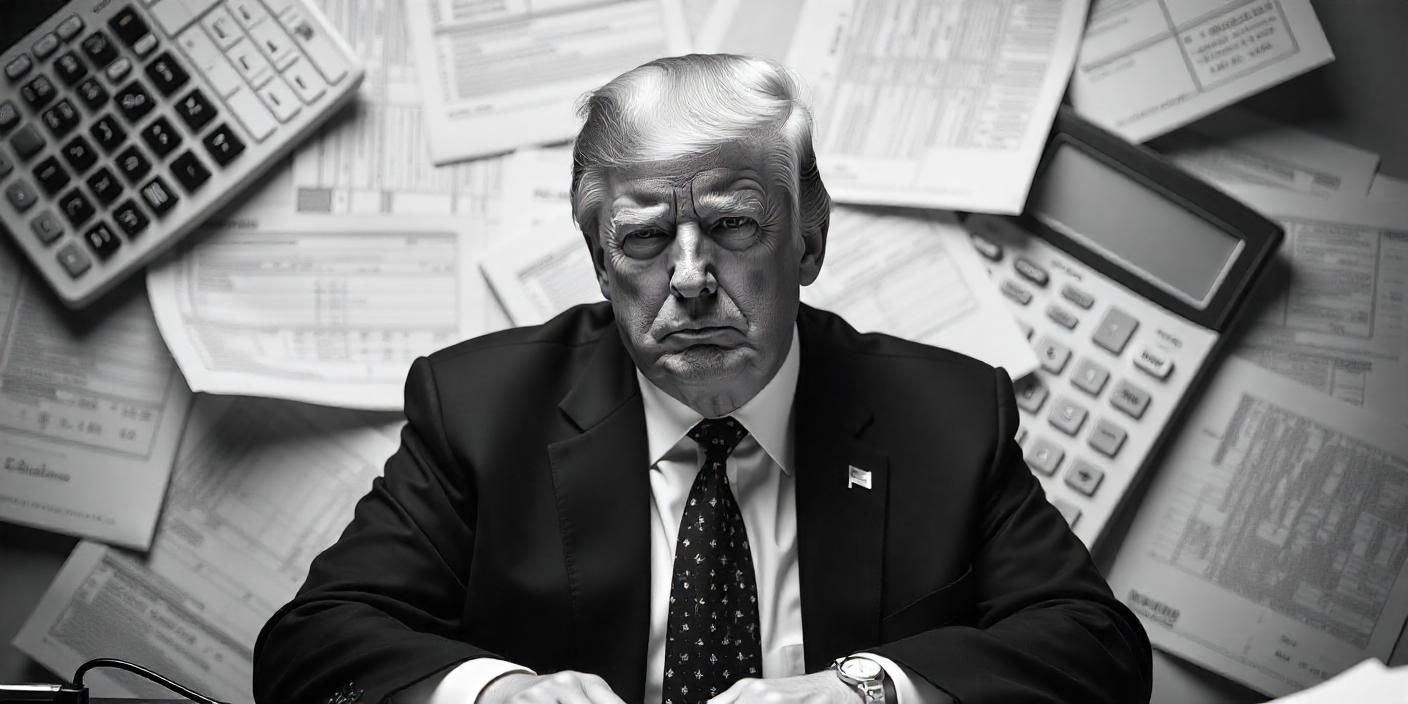
In a move that will revolutionize the economy of the United States, President Donald J. Trump has officially signed an executive order. “Incorporating Information Technology into Administrative Law.” The law aims to systematically break down the regulatory walls that separate financial services (fintech) companies from digital products companies and traditional banks.
President Trump Orders Inclusion of Crypto in US Payment Systems
The law instructs the financial regulators of the state to change and improve the rules of integration of digital economy and new technologies into the old economy. For digital financial markets, the goal is to remove the role of “gatekeepers” held by first-tier commercial banks, which have predicted which technology companies will get the dollar and payment rails.
Fintech Contract Regulation and Licensing
Under the primary responsibility of federal officials, the heads of all federal agencies—including the SEC, CFTC, and OCC—have exactly that. 90 days review existing guidelines, management practices, orders, and non-action letters. Its goal is to identify and reform laws that prevent fintech businesses from entering into working relationships with insurance companies, broker-dealers, and financial advisors. In addition, the law requires a flexible application process for certain organizations seeking bank trust charters and public insurance.
Federal Reserve Master Account Mandate
The most important part of the plan is directed at the Federal Reserve Board of Governors. The central bank has been asked to provide a comprehensive internal review 120 days relating to the rules, regulations, and policies that govern access to Reserve Bank payment accounts and payment services.
Most importantly, the review should look at how non-bank financial firms and uninsured depository institutions — especially those that manage digital assets — can directly access the Fedwire system and other central bank payment systems.
 Tax season is upon us. Have you chosen a crypto tax tool yet? Check out our comparison
Why Fed Payment Access Matters to Crypto
For more than a decade, the digital economy industry has been suffering from “debanking” processes, often referred to as Operation Chokepoint 2.0. Because digital asset companies could not get access to the Federal Reserve Master Accounts, they were forced to rely on central banks under the Banking-as-a-Service (BaaS) model.
This development plan presented some well-known problems:
- Risks Against Parties: Crypto companies remained vulnerable to the solvency and risk tolerance of third-party banks.
- Tiered Fees: A number of providers have added a reasonable fee for end users to transfer money between fiat and digital.
- Some Disadvantages: Breach of regulations at a few fintech-friendly banks is constantly disrupting the revenue streams of the entire digital economy.
By reviewing access to the Reserve Bank’s payment accounts, regulators are laying the groundwork for digital asset holders and stablecoin issuers to address the current situation at the central bank. This would better harmonize the rules of the digital economy and traditional banks.
Greater Power in Digital Assets and Markets
Administrative reform Follow-up the official approval of several crypto-related banking charters by the OCC, this general rule provides a clear path for high-quality digital service providers.
Institutions using deep pools of capital will benefit from fiat on-ramp and off-ramp. Businessmen are visiting The price of Bitcoin or evaluating market changes can expect a reduction in error followed by a wider spread as barriers to institutionalization disappear. For those looking for secure backup options within a system update, try secure backup via the Comparison of hardware wallets it remains the legal basis.
In addition, direct integration into payment systems offers clear benefits to stablecoin providers partnering with payment networks. The plan complements Washington’s legislative progress, putting in place a domestic dollar system to increase the pace of trade.



